
What Are Caregivers Responsibilities
- Why is personal hygiene support considered a cornerstone of senior caregiving?
- How do caregivers help prevent health complications through monitoring and medication support?
- How does proper meal preparation and household management improve a senior’s daily quality of life?
- Why is emotional companionship so important in senior care?
- How does transportation assistance help maintain a senior’s independence?
- Why is adaptability important in long-term senior caregiving?
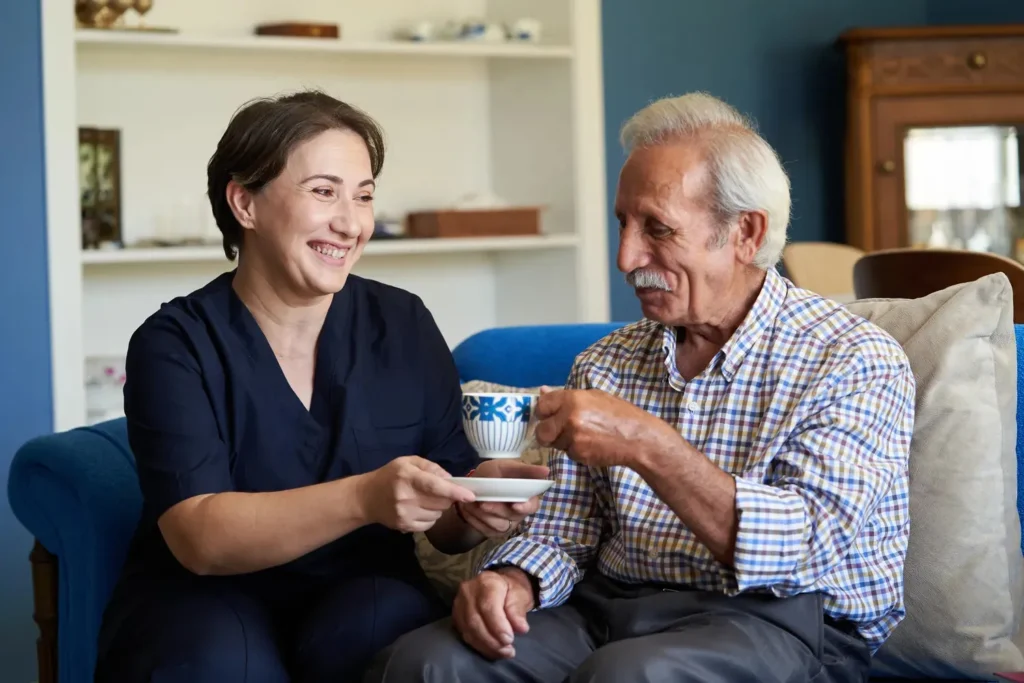
Understanding the full spectrum of caregiver responsibilities is the first step toward ensuring the safety and comfort of an aging loved one within their own home. Often, families find themselves at a crossroads, wondering where casual help ends and professional care begins. In reality, this role is an intricate blend of physical assistance, medical advocacy, and emotional guardianship. When families opt for Tailored Senior Services, they are choosing a personalized framework where every task is calibrated to the specific health profile and personality of the senior.
The primary mission of any professional is to empower the individual to maintain as much independence as possible while providing a safety net for the tasks that have become challenging. This scope of work is generally categorized into several key pillars: personal hygiene, health monitoring, household management, and emotional companionship. Each element is a vital thread in the fabric of a high-quality life for an older adult.
It is important to recognize that professional caregivers Saint Charles prioritize the building of a trusting relationship above all else. Care is not merely a checklist of chores to be completed during a shift. It is a consistent, calming presence that reduces the anxiety and isolation so often associated with the aging process. As you explore options for in home care services near me, it is crucial to evaluate whether a provider offers a holistic profile of support that evolves as the senior’s needs change over time.
Personal Care and Hygiene Assistance for Seniors
Maintaining personal hygiene is a cornerstone of health, yet it is often the most sensitive area of care. For many seniors, admitting they need help with bathing or dressing feels like a loss of autonomy. This is why a professional approach is rooted in empathy and the preservation of dignity. By transitioning these intimate tasks to a trained professional, the family dynamic is often preserved, allowing adult children to remain “sons and daughters” rather than becoming clinical assistants.
Standard personal care duties include:
- Bathing and Showering: Implementing safety protocols in high-risk areas like the bathroom to prevent slips.
- Skin and Pressure Care: Monitoring for skin breakdown or redness, especially for those with limited mobility.
- Grooming and Dressing: Helping with fine motor tasks like buttoning shirts or styling hair to boost self-esteem.
- Incontinence Management: Handling sensitive needs with professional discretion to prevent infections and maintain comfort.
Bathroom safety remains a top priority in the industry. Professionals are trained in body mechanics and transfer techniques, which are essential for preventing fractures in seniors and injuries to the staff. When searching for senior care near me, ensure the agency emphasizes ongoing training in fall prevention and the use of assistive devices like gait belts or shower chairs. This technical expertise is what separates professional care from well-meaning but untrained help.
Advanced Health Monitoring and Medication Management
While non-medical caregivers do not perform invasive clinical procedures, their role in health surveillance is arguably one of the most critical aspects of home care. Many seniors manage chronic conditions like hypertension, diabetes, or early-stage dementia, all of which require meticulous observation. A caregiver acts as a bridge between the home environment and the medical professional, often catching early warning signs before they escalate into emergency room visits.
The responsibilities in this domain are multifaceted:
- Medication Reminders: Ensuring the right pills are taken at the precise time to avoid dangerous drug interactions or missed doses.
- Vitals Tracking: Recording daily measurements such as blood pressure, heart rate, or oxygen levels as prescribed.
- Nutritional Oversight: Monitoring fluid intake to prevent dehydration, a common cause of hospitalizations in the elderly.
- Cognitive Observation: Tracking changes in memory, mood, or orientation, which is vital for those with progressive conditions.
Detailed documentation is the hallmark of a high-quality care plan. By keeping a daily log of health markers and behaviors, caregivers provide families and physicians with a clear “big picture” of the senior’s status. This proactive approach allows for timely adjustments to medications or lifestyle habits, ultimately extending the time a senior can safely remain in their own residence.
Nutrition, Meal Preparation, and Household Safety
A nutritiously balanced diet is the fuel for a healthy immune system, yet many seniors struggle with the physical demands of cooking or the lack of motivation to eat alone. Professional caregivers revitalize the dining experience by ensuring that meals are both medically appropriate and culturally familiar. This is especially important for seniors on restricted diets, such as low-sugar or low-sodium plans.
Household management responsibilities extend beyond the kitchen:
- Custom Meal Prep: Cooking fresh meals that cater to specific dietary needs and sensory preferences.
- Grocery and Supplies Management: Ensuring the pantry is stocked with healthy options and checking for expired goods.
- Light Housekeeping: Maintaining a clean and clutter-free living space, which is a primary strategy for fall prevention.
- Sanitization: Keeping high-touch surfaces clean to reduce the risk of seasonal illnesses or infections.
The home environment should be a place of restoration. By managing the “labor of living,” a caregiver removes the stress of unwashed laundry or a messy kitchen. This allows the senior to focus their energy on physical therapy exercises, hobbies, or spending quality time with visiting family members. It turns the home back into a place of relaxation rather than a source of overwhelming chores.
The Psychological Impact: Emotional Support and Engagement
The “hidden” responsibility of a caregiver is perhaps the most profound: addressing the epidemic of loneliness. Research has shown that social isolation can be as damaging to a senior’s health as smoking fifteen cigarettes a day. A caregiver provides the consistent social glue that keeps a senior connected to the world and their own sense of self.
This engagement takes many forms:
- Meaningful Conversation: Reminiscing about life history, which provides cognitive stimulation and emotional validation.
- Interactive Hobbies: Engaging in puzzles, gardening, or listening to music to keep the brain active.
- Technological Assistance: Helping seniors navigate video calls or social media to stay in touch with grandchildren.
- Community Connection: Facilitating visits to local parks, libraries, or religious services to maintain a sense of belonging.
For a senior, having someone who truly listens can change their entire outlook on the day. This companionship reduces the symptoms of depression and can even slow the progression of certain types of dementia by keeping the mind socially active. It is this human element that transforms a “service” into a genuine partnership between the caregiver and the family.
Transport, Mobility, and Community Access
The loss of a driver’s license is often viewed by seniors as the final blow to their independence. Professional caregivers mitigate this transition by providing safe, reliable transportation for all aspects of daily life. This ensures that the senior’s world does not shrink to the four walls of their living room.
Beyond simply driving, the caregiver provides physical asekuracja during transit:
- Escorted Appointments: Going into the doctor’s office with the senior to provide physical support and help remember instructions.
- Errand Assistance: Helping with the heavy lifting during grocery trips or pharmacy runs.
- Outdoor Activity: Providing a steady arm for walks in the neighborhood, ensuring the senior gets fresh air and exercise safely.
- Safe Transfers: Assisting the senior in and out of vehicles, which is a high-risk moment for falls.
The Evolution of the Caregiving Role: Adapting to Changing Needs
A key responsibility that is often overlooked is the caregiver’s role as a dynamic problem solver. As a senior ages, their needs rarely stay static. A professional must be adept at observing subtle shifts in a client’s ability to perform activities of daily living (ADLs). This might mean noticing that a senior who once loved to walk to the mailbox is now hesitating at the front door, or observing that a client who was always meticulous about their appearance is now forgetting to brush their hair.
These observations are critical for the long-term success of home-based support. When a caregiver identifies these changes early, they can work with the family to adjust the care plan, perhaps introducing new safety tools or increasing the hours of supervision. This adaptability ensures that the care provided is always “just right”—neither overbearing nor insufficient. It requires a high level of professional intuition and a deep commitment to the podopieczny’s welfare.
Ultimately, the responsibility of a caregiver is to act as a guardian of the senior’s quality of life. This involves a complex dance of knowing when to step in and when to step back. By fostering an environment where the senior feels capable and respected, the caregiver helps preserve the individual’s identity. Whether it is through meticulous medication tracking or a simple shared laugh over a morning coffee, these professionals ensure that the aging process is met with grace, dignity, and unwavering support. Choosing the right care is about more than just filling a schedule; it is about finding a dedicated partner who understands that every senior deserves to live their best possible life in the comfort of home.